Discover Royalty-Free Music Libraries: Find License-Free Music Tracks for All Your Projects
In the realm of digital content creation, the right soundtrack can elevate a project from ordinary to extraordinary. “Royalty-free music” offers a solution for creators seeking high-quality audio without the complexities of traditional licensing. This article will guide you through the essentials of royalty-free music, including its definition, benefits, and how to legally use it in your projects. We will also explore where to find the best royalty-free music libraries, tips for selecting the right tracks for various projects, and how to seamlessly integrate music into your creative workflow. By the end, you will have a comprehensive understanding of how to discover royalty-free music that enhances your creative endeavors.
What Is Royalty-Free Music and How Can It Enhance Your Projects?
Royalty-free music refers to music that can be used without paying royalties or licensing fees for each use. This type of music is particularly beneficial for content creators, as it allows for greater flexibility and cost savings. By utilizing royalty-free music, creators can enhance their projects with high-quality audio that complements their visual content, ultimately improving audience engagement and emotional impact.
Defining Royalty-Free Music and Its Benefits for Content Creators
Royalty-free music is defined as music that is licensed for use without the need for ongoing payments or royalties. This means that once a creator purchases or obtains a license for a track, they can use it in their projects without incurring additional costs. The benefits for content creators include:
- Cost-Effectiveness: Avoiding ongoing royalty payments can significantly reduce production costs.
- Ease of Use: Many royalty-free music libraries offer straightforward licensing agreements, making it easy for creators to find and use tracks.
- Variety: These libraries often feature a wide range of genres and styles, allowing creators to find the perfect match for their projects.
Understanding these advantages can help creators make informed decisions when selecting music for their projects.
How to Legally Use Royalty-Free Music for Videos and Creative Projects?
Using royalty-free music legally involves understanding the different types of licenses and usage rights associated with the music. This section will clarify how to navigate these legal aspects effectively.
Understanding Music Licensing Types and Usage Rights
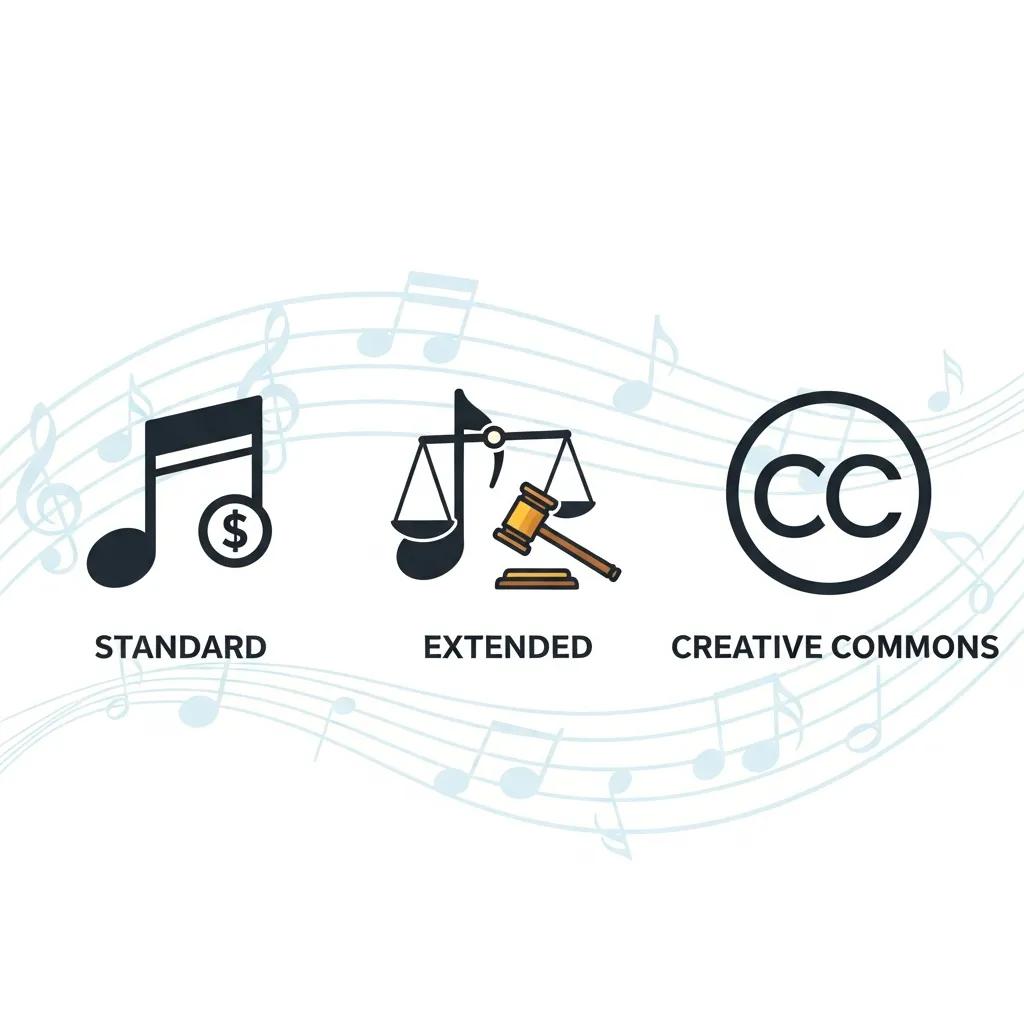
There are several types of music licenses available, each with its own set of usage rights. Common types include:
- Standard License: Allows for personal and commercial use, typically with some restrictions on distribution.
- Extended License: Offers broader rights, including the ability to use the music in larger projects or for resale.
- Creative Commons License: Often free to use, but may require attribution or have restrictions on commercial use.
Choosing the right license is crucial to ensure compliance and avoid legal issues.
Common Licensing Terms Explained for License-Free Music Tracks
Familiarizing yourself with common licensing terms can help you navigate the world of royalty-free music more effectively. Key terms include:
- Attribution: A requirement to credit the creator of the music.
- Non-Commercial Use: Restrictions on using the music for profit.
- Sync License: A license that allows music to be synchronized with visual media.
Understanding these terms will empower creators to use music responsibly and legally.
Where to Find the Best Royalty-Free Music Libraries for Your Needs?
Finding the right royalty-free music library can be a game-changer for your projects. This section will highlight some of the top platforms available.
Top Platforms Offering Curated Royalty-Free Music Collections
Several platforms specialize in providing curated collections of royalty-free music. Some of the best options include:
- Epidemic Sound: Offers a vast library of high-quality tracks with a subscription model that covers all licensing needs.
- Artlist: Known for its user-friendly interface and extensive collection, Artlist provides unlimited downloads for a flat fee.
- AudioJungle: A marketplace where creators can purchase individual tracks, offering a wide variety of genres and styles.
These platforms cater to different needs, making it easier for creators to find the right music for their projects.
Despite the availability of numerous platforms, some sources highlight the ongoing challenge of consistently finding high-quality royalty-free music.
Finding Quality Royalty-Free Music Online
We realized there is no go-to place on the internet where one can find good quality royalty-free music.
VOVOCA-Stream, Upload & Download Royalty Free Music, 2022
Free vs. Premium Music Libraries: What Creators Should Know
When choosing between free and premium music libraries, there are several factors to consider:
- Quality: Premium libraries often provide higher-quality tracks compared to free options.
- Licensing: Free music may come with more restrictions, while premium options typically offer clearer licensing terms.
- Variety: Premium libraries usually have a broader selection of genres and styles.
Understanding these differences can help creators make informed choices about where to source their music.
Which Background Music Works Best for Travel, Remote Work, and Home Living Projects?
Selecting the right background music is essential for enhancing the mood and engagement of your projects. This section will provide tips for choosing music tailored to specific themes.
Music Selection Tips for Travel Videos and Vlogs
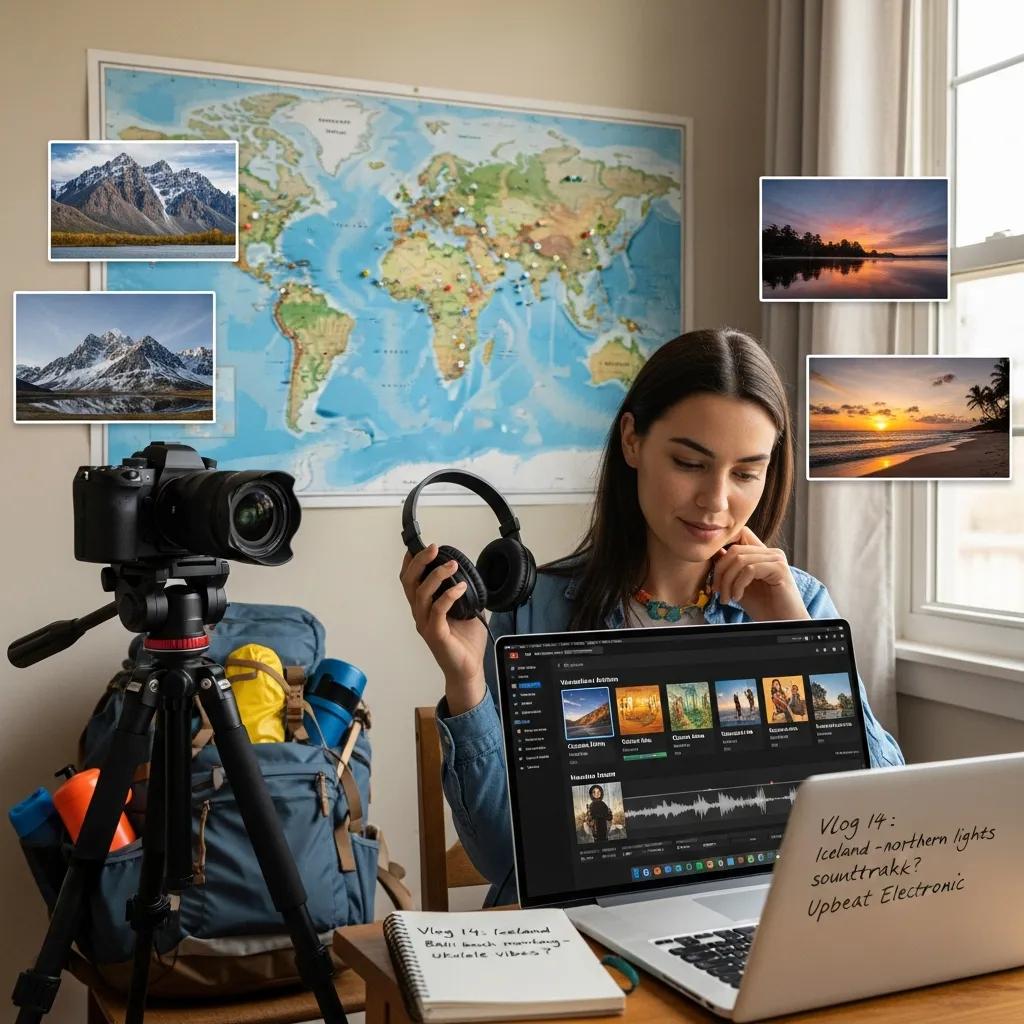
When creating travel content, consider the following tips for selecting music:
- Match the Energy: Choose tracks that reflect the energy and pace of your visuals.
- Cultural Relevance: Incorporate music that resonates with the culture of the locations featured in your videos.
- Emotional Connection: Use music that evokes the desired emotions, whether it’s excitement, nostalgia, or relaxation.
These strategies can help create a more immersive experience for viewers.
Indeed, the prevalence of library music in travel content underscores its importance in shaping viewer experiences.
Library Music for Travel Vlogs & YouTube
In travel vlogs and political commentary, more often than not we encounter the much heard–but little heard of–library music.
Library music as the soundtrack of YouTube, J Durand, 2023
Choosing Music for Remote Work Presentations and Home Living Content
For remote work presentations and home living content, the right music can enhance focus and productivity. Consider these guidelines:
- Instrumental Tracks: Opt for music without lyrics to minimize distractions.
- Calming Melodies: Select soothing tracks that promote a relaxed atmosphere.
- Consistent Tempo: Choose music with a steady rhythm to maintain a productive flow.
Implementing these tips can significantly improve the effectiveness of your presentations and content.
How to Integrate Royalty-Free Music Seamlessly into Your Creative Workflow?
Incorporating music into your creative process can enhance your projects significantly. This section will explore strategies for effective integration.
Using Embedded Audio Samples and Playlists for Project Inspiration
Utilizing embedded audio samples and curated playlists can inspire your creative process. Consider these approaches:
- Create Playlists: Compile playlists of tracks that resonate with your project themes for easy access.
- Use Samples: Experiment with short audio samples to gauge how different tracks fit with your visuals.
- Collaborate: Share playlists with collaborators to gather feedback and ideas.
These methods can streamline your workflow and enhance collaboration.
Best Practices for Organizing and Licensing Your Music Library
Maintaining an organized music library is crucial for efficient project management. Follow these best practices:
- Categorize Tracks: Organize music by genre, mood, or project type for easy retrieval.
- Keep Licensing Information: Maintain records of licensing agreements to ensure compliance.
- Regularly Update: Refresh your library with new tracks to keep your content current and engaging.
Implementing these practices can save time and reduce stress during the creative process.
What Are the Latest Trends and Benefits of Using Royalty-Free Music in 2025-2026?
As the digital landscape evolves, so do the trends in music licensing. This section will explore current trends and their implications for content creators.
Growing Demand for Flexible Music Licenses in Digital Content Creation
The demand for flexible music licenses is on the rise, driven by the increasing need for adaptable content. Key trends include:
- Subscription Models: More platforms are offering subscription-based access to extensive music libraries.
- Customizable Licenses: Creators are seeking licenses that can be tailored to specific project needs.
- Increased Collaboration: Partnerships between musicians and content creators are becoming more common, leading to unique music offerings.
These trends reflect the changing landscape of digital content creation and the need for adaptable solutions.
Looking ahead, advancements in technology are poised to further revolutionize how creators access and utilize royalty-free music.
Custom Royalty-Free Music Generation for Content Creators
there would be increased efficiency and cost-effectiveness in art-based sectors through music generation systems, which their customers use to generate custom royalty-free music.
Generating Unique Music, A Ranjan, 2022
Case Studies: Successful Use of Royalty-Free Music in Remote Work and Travel Content
Examining successful case studies can provide valuable insights into the effective use of royalty-free music. Notable examples include:
- Travel Vlogs: Creators who use culturally relevant music often see higher engagement rates and viewer retention.
- Remote Work Presentations: Incorporating calming instrumental tracks has been shown to improve focus and productivity during virtual meetings.
- Home Living Content: Music that evokes nostalgia can enhance viewer connection and emotional response.
These case studies highlight the importance of thoughtful music selection in enhancing content effectiveness.